Recognizing Peptide Pureness: What 99%+ Actually Means
By @remingtonabqe265
Peptide High Quality: Relevance Of Third-party Recognition Creative Proteomics gives peptide purity analysis using logical reversed-phase HPLC combined with mass spectrometry. They provide MALDI-TOF MS and various other mass spectrometry options consistently. Mass spectrometry (MS) confirms peptide identity by determining molecular weight. The strategy figures out the exact mass of the peptide, which serves as a molecular finger print. If the determined Quality Standards mass matches the expected mass for your peptide sequence, you have confirmation that the proper substance is present. And the only way to recognize what you're really obtaining is via appropriate logical testing. Some vendors offer products having various compounds than marketed. Others weaken peptides dramatically Look at this website while asserting full effectiveness. A couple of sell entirely inert compounds, taking advantage of the trouble of detection without correct screening. The peptide in your vial might not also be the substance you purchased. These restrictions put on the entire RUO group, not just a particular distributor. The examination outcome is commonly provided as a binary identified or not spotted, yet a legit tester must also have the ability to produce metal-by-metal measurable information upon demand. Constantly change application based on internet material when executing precise quantitative job. If you liquify a 5 mg vial presuming all 5 mg is energetic peptide, your molar concentration will certainly be incorrect. A Certification of Analysis (COA) is the solitary crucial record in the research peptide supply chain.
- If you presume 100% material when the real content is 75%, your determined dosages are 25% lower than intended.
- RUO COAs do not include endotoxin or sterility testing, although these are sometimes added on by RUO vendors.
- HPLC can support cases about chromatographic pureness, impurity peak burden, and degradation patterns when the technique is suitable and the chromatogram is available.
- A solid peptide testing process makes use of approaches that answer corresponding inquiries.
- One of the most rigorous quality, involving careful HPLC purification-- sometimes multiple rounds-- and extensive QC.
What Is The Distinction Between Hplc Purity And Mass Spectrometry Confirmation?
So, pureness isn't simply a number on a certification; it's basic to success. Peptide testing is the analytical procedure used to confirm that a study peptide is both pure and appropriately recognized. HPLC actions chromatographic pureness by separating the target peptide from associated contaminations and determining main-peak area percent. Mass spectrometry verifies molecular identity by checking whether the measured mass matches the anticipated peptide mass.Cost-free Testing Options
Notably, this purity figure is commonly established after filtration (e.g. by HPLC) and focuses on peptide impurities-- it does not count recurring water, salts, or counter-ions in the dried out peptide powder. In other words, the purity percentage has to do with the composition of peptide species in the sample, not the weight payment of water or salts. If you've ever acquired a synthetic peptide for a laboratory experiment, you have actually most likely discovered a purity portion on the certification of analysis-- usually worths like 95%, 98%, or perhaps 99%. Peptide purity is a vital quality metric that tells you what portion of a peptide sample is the designated item versus unwanted byproducts. In straightforward terms, a peptide noted as 95% pure consists primarily of the target peptide (95%), with the continuing to be ~ 5% composed of impurities. These pollutants can consist of points like reduced or abbreviated series, deletion variants, oxidized deposits, or various other minor side-products from the synthesis process.What machine is made use of to examine peptide pureness?
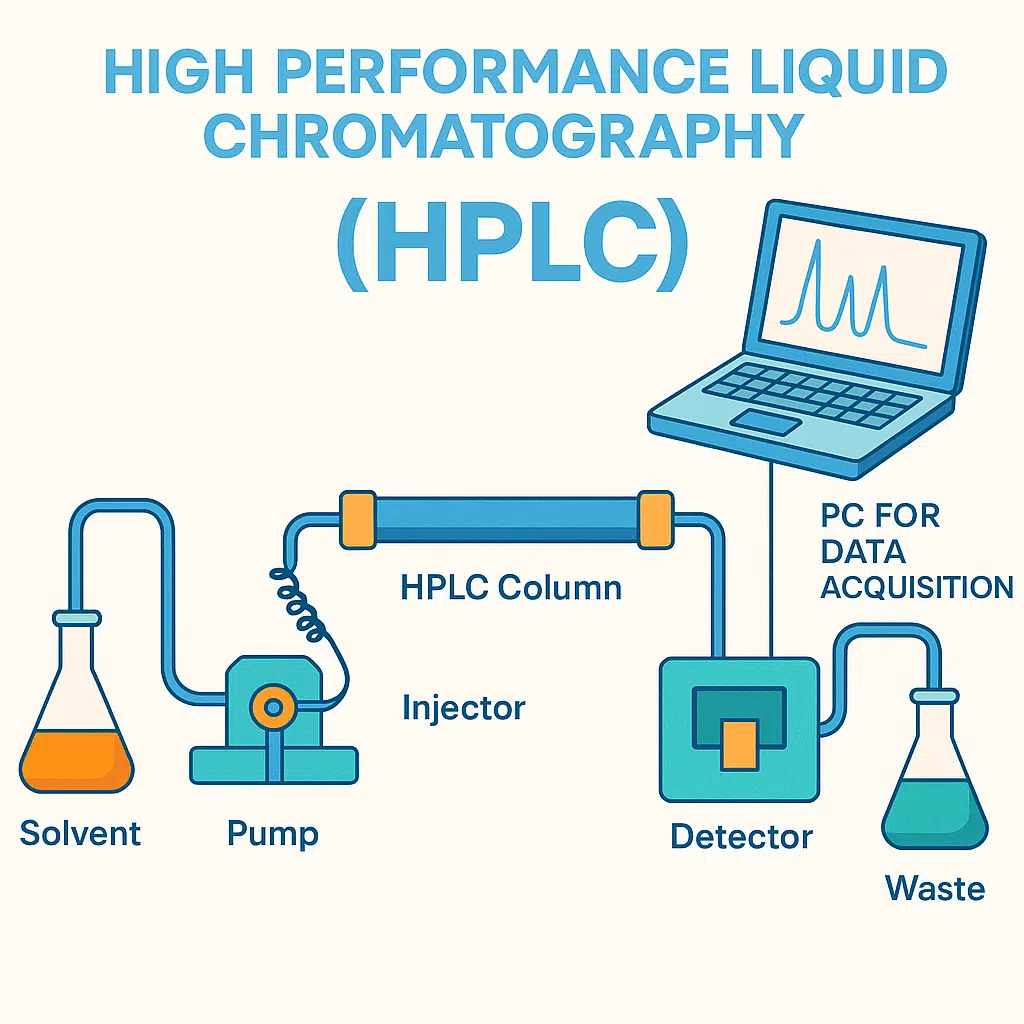
Peptide purity is routinely established by HPLC (high performance liquid chromatography). This technique allows separation and loved one metrology of each peptide synthesized. If combined to a mass spectrometer (MS), this gives molecular mass/ identification details of the target peptide and accompanying impurities.
What's The Difference In Between Vendor Coa And Third-party Testing?
At minimum, identity and pureness should be validated per set. Vendors that give the exact same COA for months of production are not demonstrating adequate quality assurance. The process works by passing the peptide solution via a column packed with specialized material. Different compounds engage with this product in a different way, triggering them to arise from the column at various times. A detector gauges what comes out, creating a chromatogram showing heights for every compound existing. Connecting you with relied on peptide vendors and suppliers, guaranteeing high-quality, trusted products for research and development requirements. Discover our curated choice for pureness, uniformity, and regulatory compliance. COAs for Palmetto Peptides items are offered on private item pages. Peptides and their impurities have various hydrophobicities and therefore spend various quantities of time communicating with the C18 fixed phase before eluting right into the detector. More hydrophilic compounds elute very early (reduced retention time); more hydrophobic substances elute later on (high retention time). The target peptide elutes at a characteristic retention time, and pollutants elute at different times-- separating them spatially on the chromatogram. In the typical peptide COA context, peak purity usually describes the percent of overall chromatogram area stood for by the primary peptide top. It is an area-percent pureness measurement, not a complete identification or activity test. Peptide screening is effective, but scientists need to read the range of each approach carefully. 
Corrections
Spot something wrong? Send it to the desk and it gets fixed in the open.