Peptide Testing: Hplc & Mass Spec Purity Overview Pinnacle
By @remingtonabqe265
Peptide Screening: Hplc & Mass Spec Purity Overview Pinnacle This material is not meant as a replacement for professional clinical advice, diagnosis, or treatment. Companion with us for trusted HPLC and MS solutions that guarantee peptide dependability from synthesis to application. Peptide study is just as solid as the devices behind it-- and that starts with testing. HPLC and Mass Spectrometry offer the gold-standard guarantee that what remains in the vial is pure, exact, and specifically what the label says. Confirms molecular identity by matching the observed mass to the theoretical mass. We have dealt with NorthEast BioLab for over 10 years offered their commitment to finest quality bioanalytical data. Incorporating arise from numerous platforms provides a durable foundation for decisions such as release, revamp, or added testing. This is why chromatography alone is usually not enough for governing entries. Convert vial strength, water quantity, and recommendation dosage right into precise syringe units. High-Performance Fluid Chromatography (HPLC) is a method used to separate and determine the purity of substances in a combination. In RP-HPLC experiments, we make use of water or water-based solvents as solvents, which can simplify problems triggered by various hydrophobic solvents and improve the flexibility of evaluation. NorthEast BioLab always exceeds expectations on bioanalytical assay growth, validation, and example analysis. At Peak Peptide Supply, every peptide is confirmed via HPLC and MS screening, providing researchers self-confidence in their job and trusted results every time. Research-grade peptides need to have pureness degrees of 98% or greater, with costs suppliers supplying 99.0% to 99.7% pureness. Greater pureness makes sure much better research study end results and reduces interference from pollutants. Yes, study peptides are legal in the UK when offered and purchased strictly for research laboratory research functions. Tests need to consist of making use of verified analytical approaches to assess identity, pureness, potency, and security at every phase of the product's growth and usage. We often use gradient elution in peptide purity analysis, that is, the proportion of natural stage (mostly acetonitrile) in the eluent slowly increases with time. Since the rate of addition of organic stage has a significant impact on the pureness result. We typically make use of a gradient elution technique every minute (the concentration of acetonitrile rises by 1% every minute, v/v), which can stay clear of the overlap of sample tops and impurity optimals and enhance the precision of evaluation results. This article is attended to academic and study recommendation functions only.
Frequently Asked Questions (Frequently Asked Questions) About Hplc In Peptide Recognition
Regulative firms carefully monitor peptide items, particularly those used in worsened medicine under 503a and 503b standards. For instance, peptides intensified under 503b facilities must fulfill higher quality requirements contrasted to 503a centers, which concentrate on patient-specific prescriptions. Chromatography is used to separate peptide components and spot contaminations. This method includes HPLC pureness analysis and dimension exemption chromatography (SEC). The right peptide Research Peptides moves via the column in a foreseeable method, while undesirable products-- such as leftover fragments, damaged peptides, or contaminations-- move differently. As each substance leaves the column, a detector determines it and documents the outcome as a height on a graph called a chromatogram.Effects Of Pollutants On Research End Results
Just how much does peptide HPLC screening cost?
The cost of peptide evaluation service differs significantly based on which strategies your regulatory bundle requires: HPLC-UV Analysis: $& #x 24; 300 & #x 2013; & #x 24; 800 per sample (common pureness evaluation) LC-MS (Fluid Chromatography-Mass Spectrometry): $& #x 24; 600 & #x 2013; & #x 24; 1,500 per sample (molecular weight confirmation).
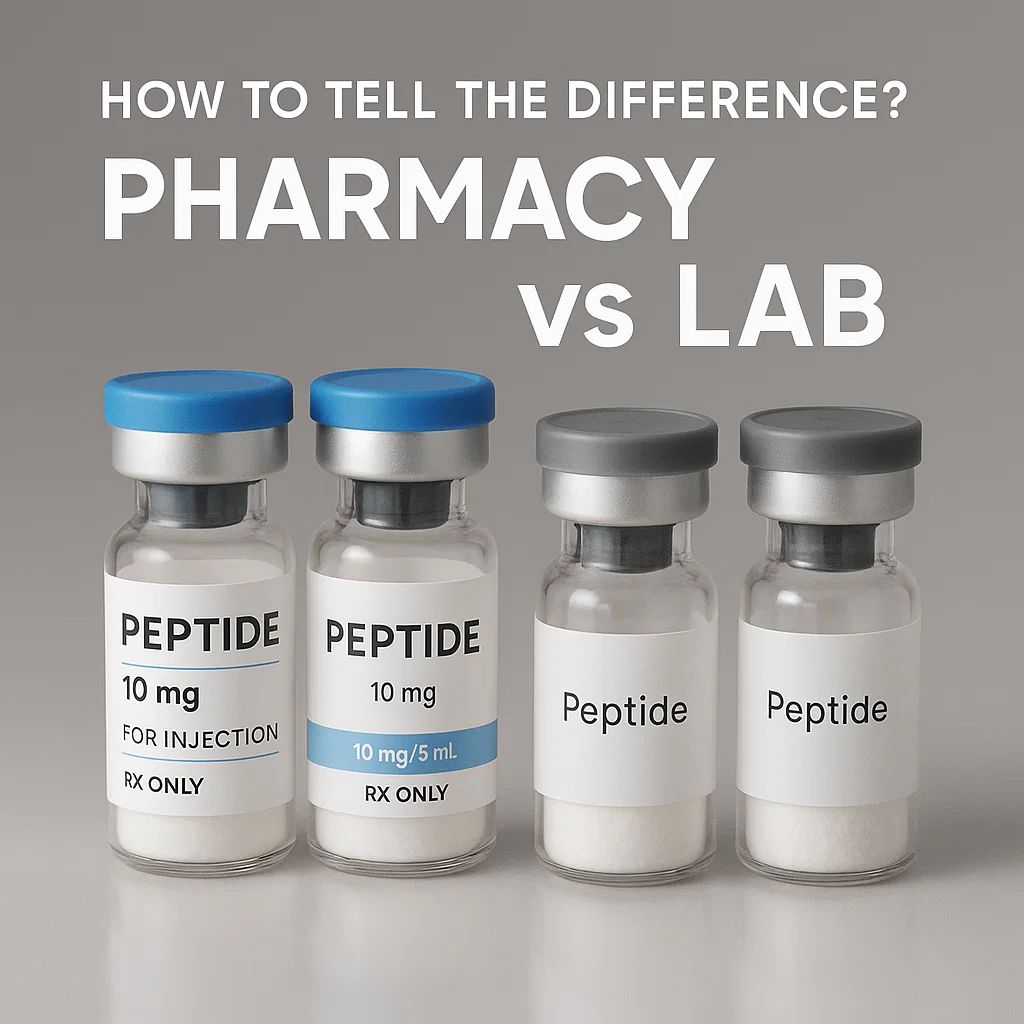
Why Hplc Issues For Peptide Characterization
- On top of that, NEBA has substantial infrastructure and years of expertise in qualitative and measurable splittings up utilizing HPLC mass spectrometry detection of peptide medicines.
- The combination of HPLC + MS is the criterion for verifying both top quality and identification.
- Mass spectrometry verifies molecular identity by checking whether the determined mass matches the anticipated peptide mass.
- This public verifiability changes quality assurance from a personal insurance claim into a publicly checkable reality.
- MS is especially practical for finding impurities that co-elute (compounds that are not fully divided) throughout chromatography.

Corrections
Spot something wrong? Send it to the desk and it gets fixed in the open.